No Idea's Original

Archive

Mark William Lewis God Complex Ep

Some records tell you exactly where they were made. This one tells you the floor. mark william lewis moved to the 18th floor of a London tower block in 2021 and started writing music about what the city looks like from that height, which turns out to be something between cinematic and lonely, romantic and completely exposed.
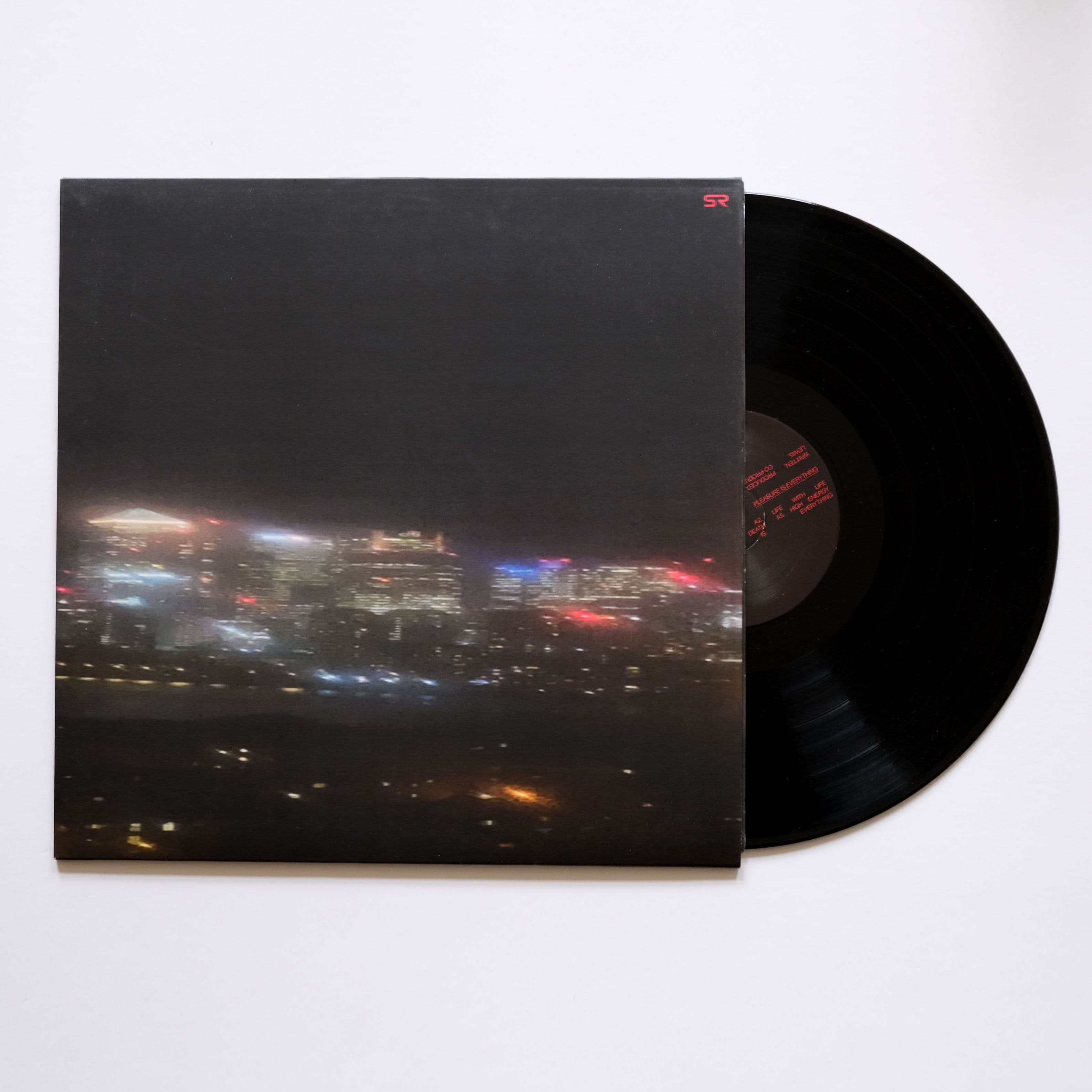
Pleasure Is Everything and God Complex were originally released as digital EPs in 2021 and 2022, built up a quiet cult following, and collectively hit close to three million Spotify streams before most people could tell you who made them. Scenic Route Records, the London label that also put out Nourished by Time before Baltimore knew what to do with him, pressed both onto a single LP in September 2024. 150 copies, black vinyl. The covers are lo-fi photographs of the city taken from his flat. They look exactly right.

The music sits in the gap between dean blunt's cowboy-gothic and Tirzah's bedroom minimalism, with a harmonica playing and country-blues guitar that neither of those reference points quite prepares you for. There's a song called "Sauna Death" and a song called "Cold Paris Vogue" and both titles are completely accurate. He toured it alongside NYC rapper MIKE and sold out Cafe Oto. The connections make sense if you follow the underground long enough; if you don't, the record will explain them.

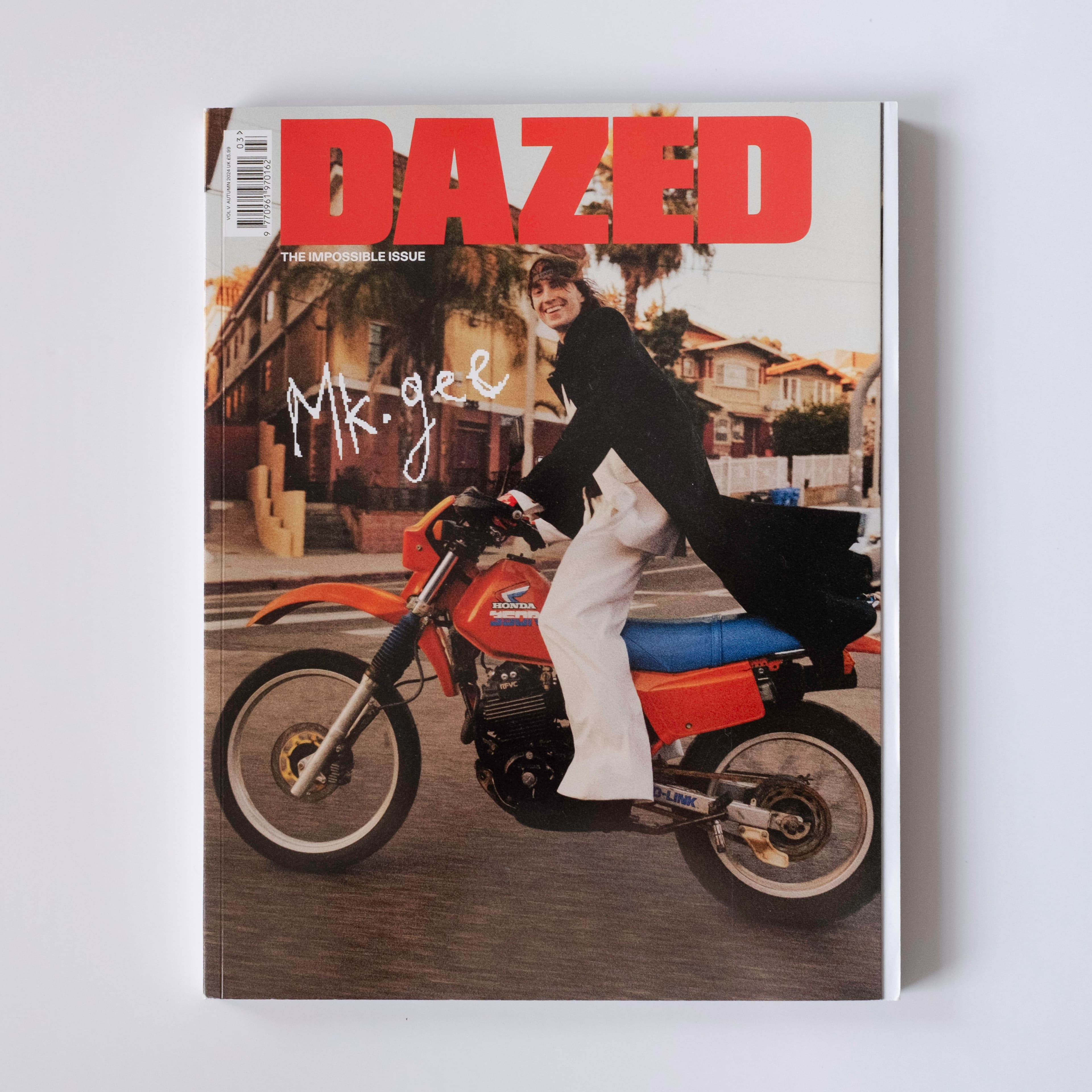
Mk.Gee on the cover of Dazed Magazine

Dazed has always been best when it catches someone on the exact moment before the world catches up. The Mk.Gee cover is that moment. An artist who spent years avoiding press, beloved mainly by the kind of people who pass an album name in a DM rather than a press release — shot by Quentin de Briey in full McQueen by Seán McGirr, staring down the cover of one of the most culturally loaded fashion magazines in print. The tension in that image is the entire story.

The Impossible Issue, Autumn 2024, came out September 12 with six covers — Mk.Gee, Bad Bunny, Central Cee, Willow, Ayra Starr, Flo — each photographed separately, each pulling in a different direction of where pop culture sat that season. The Mk.Gee cover story inside, titled "The miseducation of Mk.gee," is one of the better profiles of a musician printed that year: the writer earns the backstory slowly, starting with a nine-year-old in New Jersey torrenting music on LimeWire and working forward to a guitarist who opened for Bon Iver, made Two Star & the Dream Police, and still can't be neatly categorised by anyone trying.

The styling choice is worth pausing on. Putting Mk.Gee in McQueen — the house mid-transition under Seán McGirr — wasn't obvious. His visual identity up to that point was deliberately lo-fi, almost deliberately anti-fashion. Imruh Asha's styling decision to dress him in tailoring that heavy changes the register without losing the strangeness. The shoot makes him look like someone who belongs in the frame, which is different from making him look comfortable in it. The gap between those two things is where the image lives.

By AW26, his music was on half the runway playlists in Europe. This issue is from before that was inevitable.

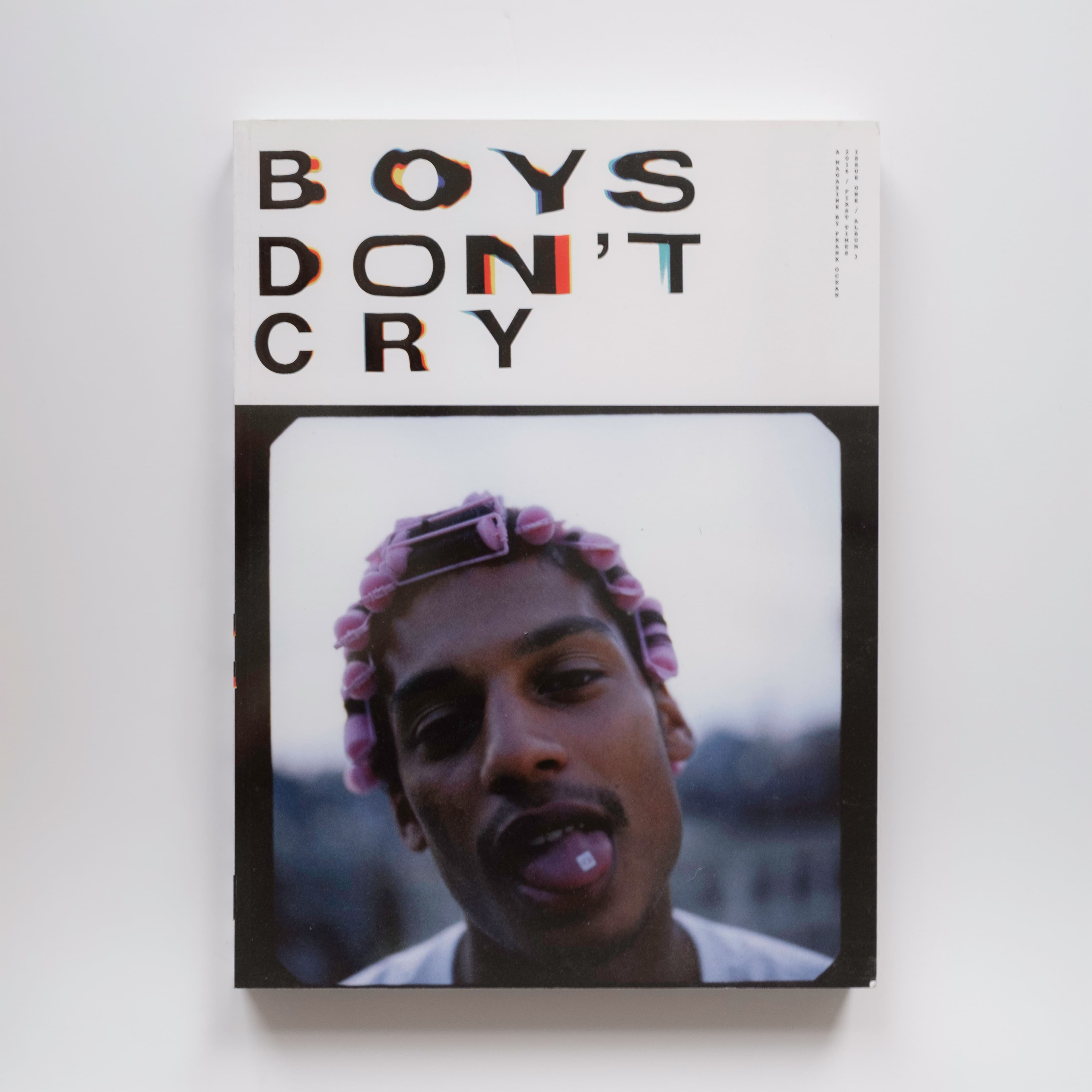
Boys Dont Cry Magazine

Frank Ocean made people wait four years for his second record, and when it arrived he handed them a magazine too. That decision tells you everything about how seriously he takes the work, not as merchandise, not as a press pack, but as a parallel statement. Blonde and Boys Don't Cry are not album and tie-in. They're two sides of the same argument.

The magazine arrived in August 2016, distributed through four exclusive, pop-up shops in New York, Los Angeles, London, and Chicago. Deliberately scarce, deliberately physical, in the same week Frank Ocean released both a visual album and an audio one through two different channels simultaneously. The zine itself is spare: heavy stock, lots of air, no advertising, no editorial apparatus. Photography by Tyrone Lebon, Wolfgang Tillmans, and the late Ren Hang, whose work throughout the 2010s shot intimacy and vulnerability with a directness almost nobody else managed. Prose by Frank, which reads less like liner notes and more like the thing the album couldn't quite say directly.

The name had been the rumoured album title for three years before Blonde landed. Ocean let the speculation run. When the record came out under a different name, the title migrated here — to the magazine, to the object, to the thing you hold rather than stream. Whether that was always the plan or a decision made late, the effect is the same: the most emotionally loaded three words of his rollout ended up on the cover of something printed on paper. That's not an accident.

Copies surface occasionally on our webshop.